Why Venice?
Venice rewards anyone willing to live past the day-tripper trail. The historic centre is split into six sestieri built atop a lagoon — no cars, no scooters, just bridges, narrow lanes, and the vaporetto (water bus). The locals you'll meet at your neighbourhood bar mostly work in restoration, tourism, design, or remote tech — Venice has quietly become a base for digital workers chasing the strangest commute in Europe. Trains to Bologna (90 min), Milan (2.5 hrs), and Rome (3.5 hrs) leave from Venezia Santa Lucia; Marco Polo airport is 25 min by water-taxi or bus. If you fall in love with Venice on the DNV, Italy's longer-term residency routes can keep you here.
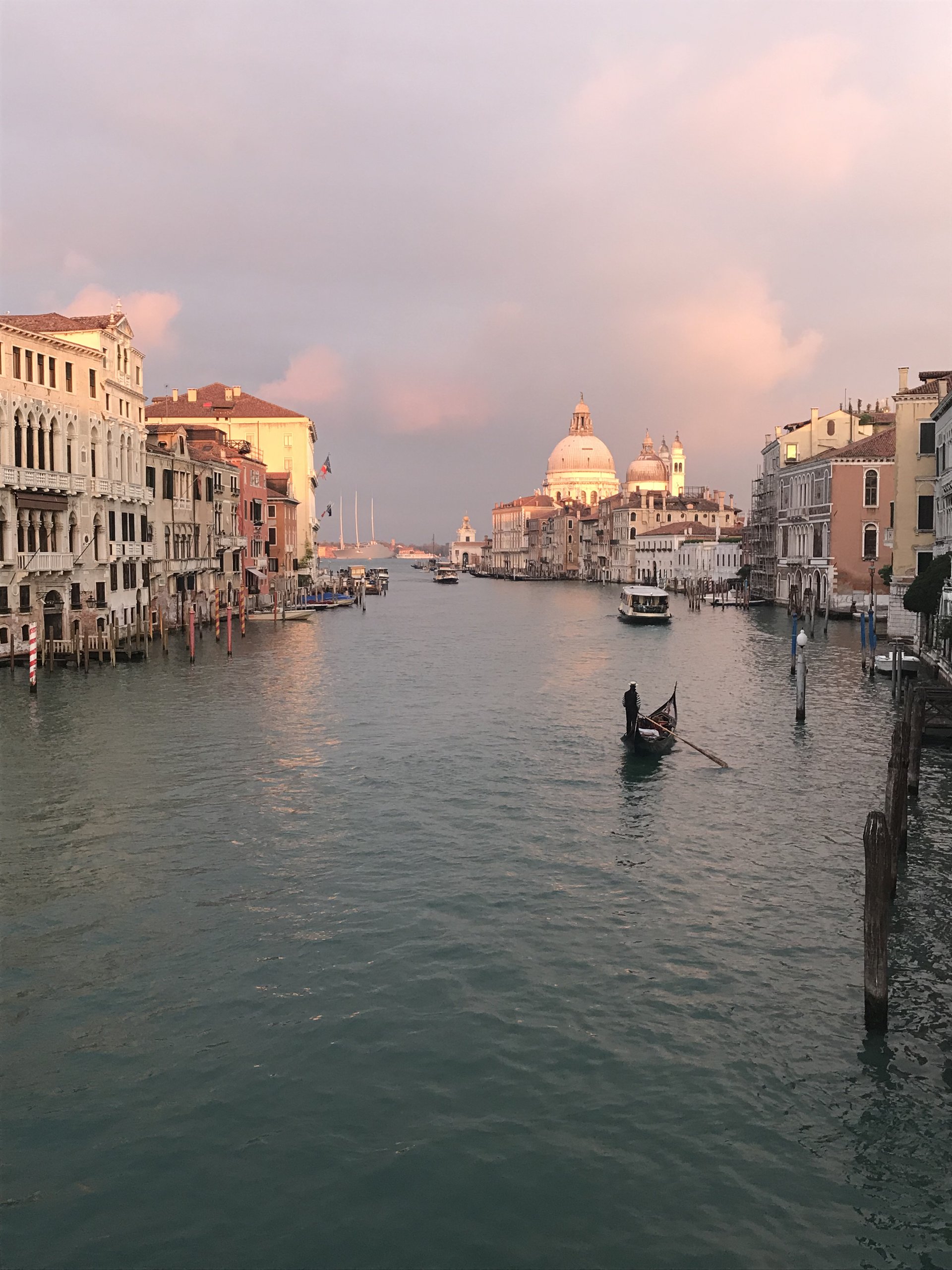
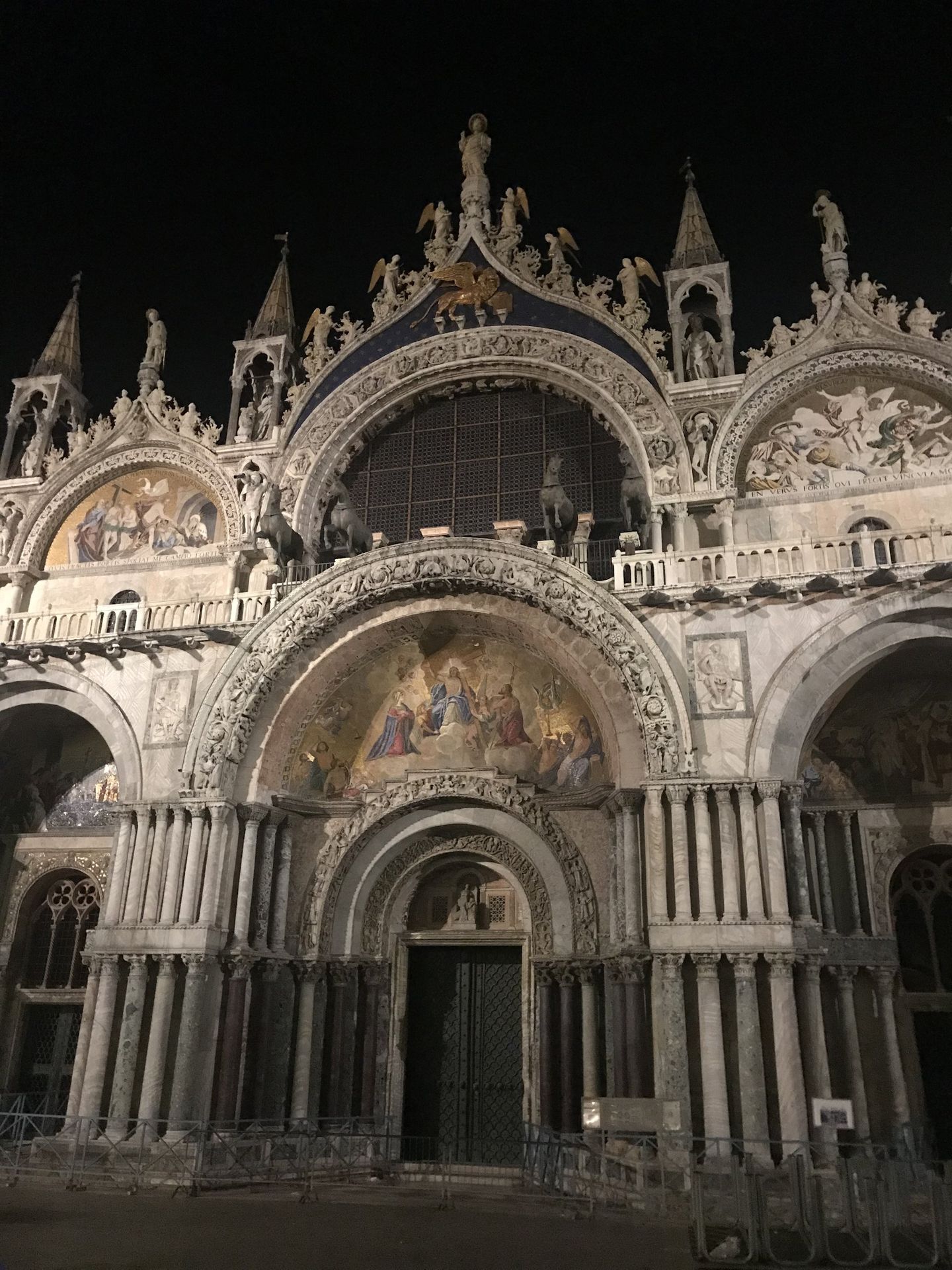
Venezia, at the right hour.
Neighbourhoods to know
- Cannaregio. The most residential of the central sestieri — locals, daily-life shops, the Jewish Ghetto, the city's best cicchetti bars. The nomad favourite.
- Dorsoduro. South of the Grand Canal — university quarter, art (Peggy Guggenheim, Punta della Dogana), and a younger crowd around Campo Santa Margherita. Quieter than San Marco.
- Castello. East of San Marco — the largest sestiere, mostly residential, with the Arsenale and Biennale gardens. Far less touristy the further east you go.
- Mestre (mainland). Across the Ponte della Libertà — modern, walkable, with full car infrastructure and rents 30–50% cheaper. Many remote workers split the difference: live in Mestre, work in Venice.
Coworking
- Officine 800. Venice's most established coworking — Giudecca island. Industrial space, strong creative-and-tech community, monthly desks from EUR 220.
- VeniSIA / VeneziaWorks. Sustainability and innovation focus, with talks and an English-speaking community. Cannaregio.
- Talent Garden Venezia. Mestre location of Italy's biggest network — most affordable, best fit if you live mainland-side.
- H-Farm Campus. 30 min outside Venice in Roncade — full innovation campus, day passes available, the regional tech hub.
Things to do
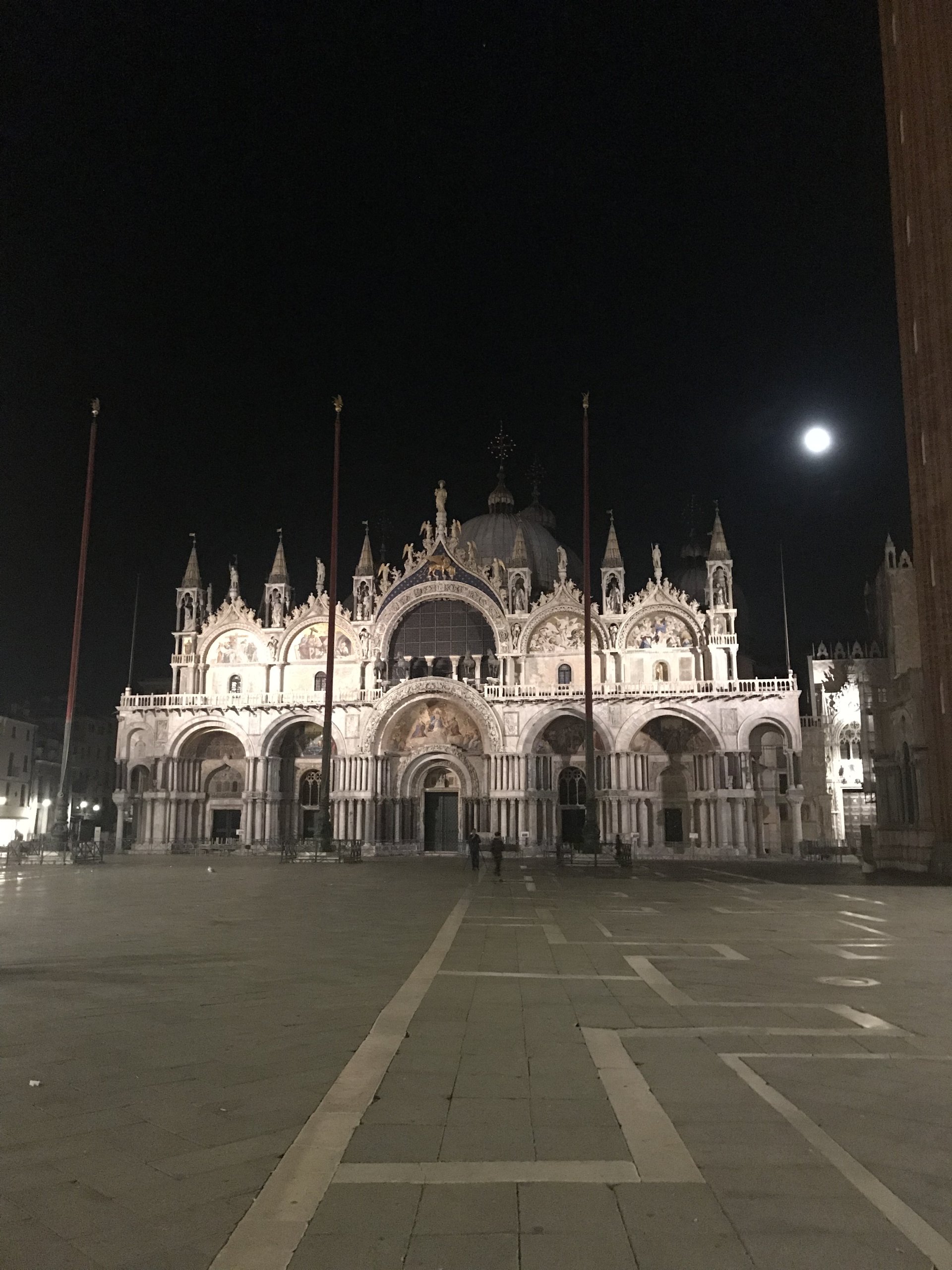
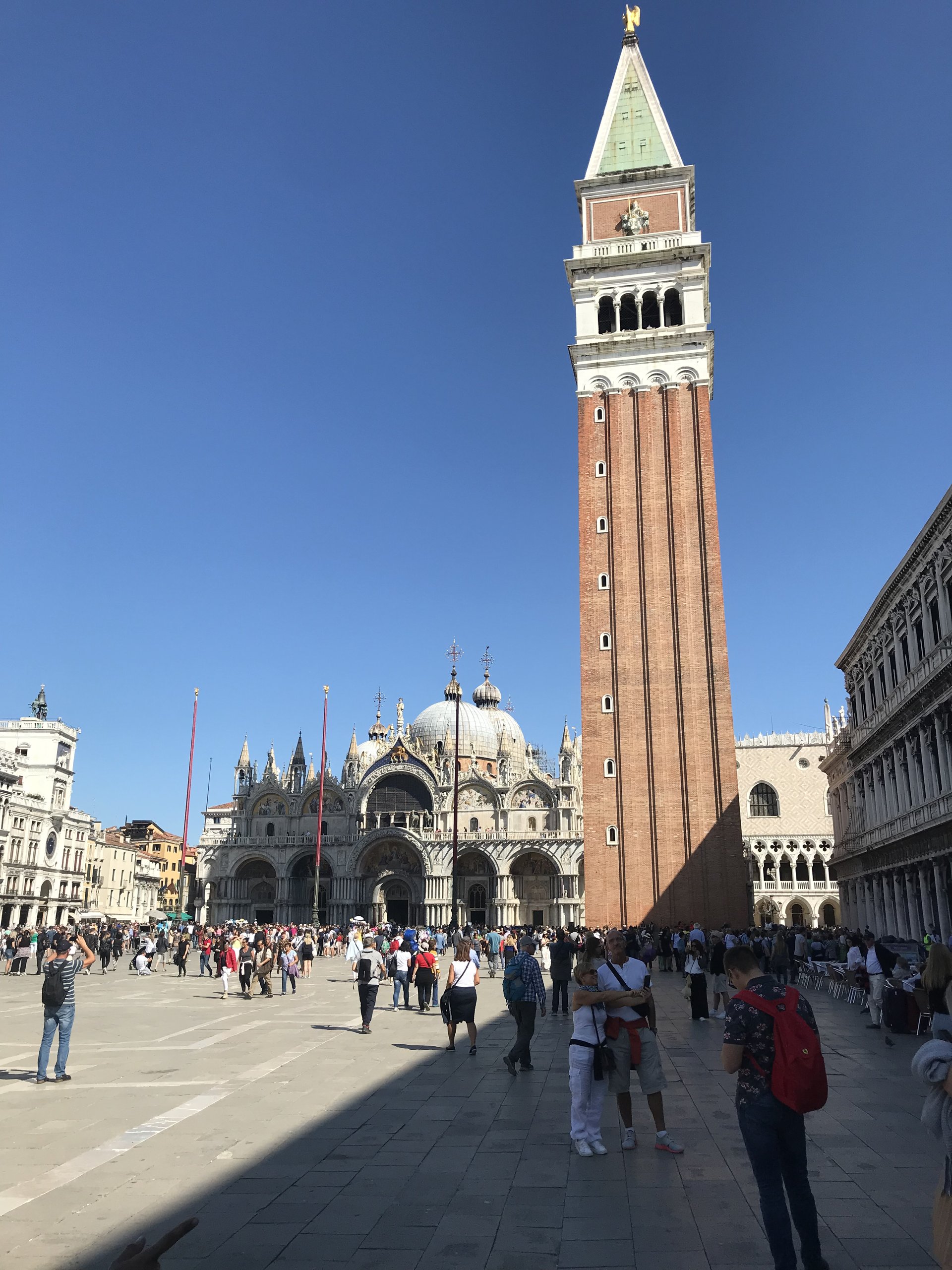
- Hit Piazza Palazzo Ducale at 7am — you get the square, the basilica, and the Doge's Palace facade essentially to yourself before the cruise crowds arrive.
- Eat cicchetti at a bacaro — small open-faced sandwiches and wine by the glass; Cantina Do Mori (since 1462) and Al Timon are the classics.
- Take the vaporetto to Burano (45 min) and Torcello (15 min beyond) for the lagoon's quieter islands — pastel houses, lacework, the original Byzantine cathedral.
- Visit the Scuola Grande di San Rocco for a full ceiling of Tintorettos — quieter and arguably more impressive than the Sistine Chapel.
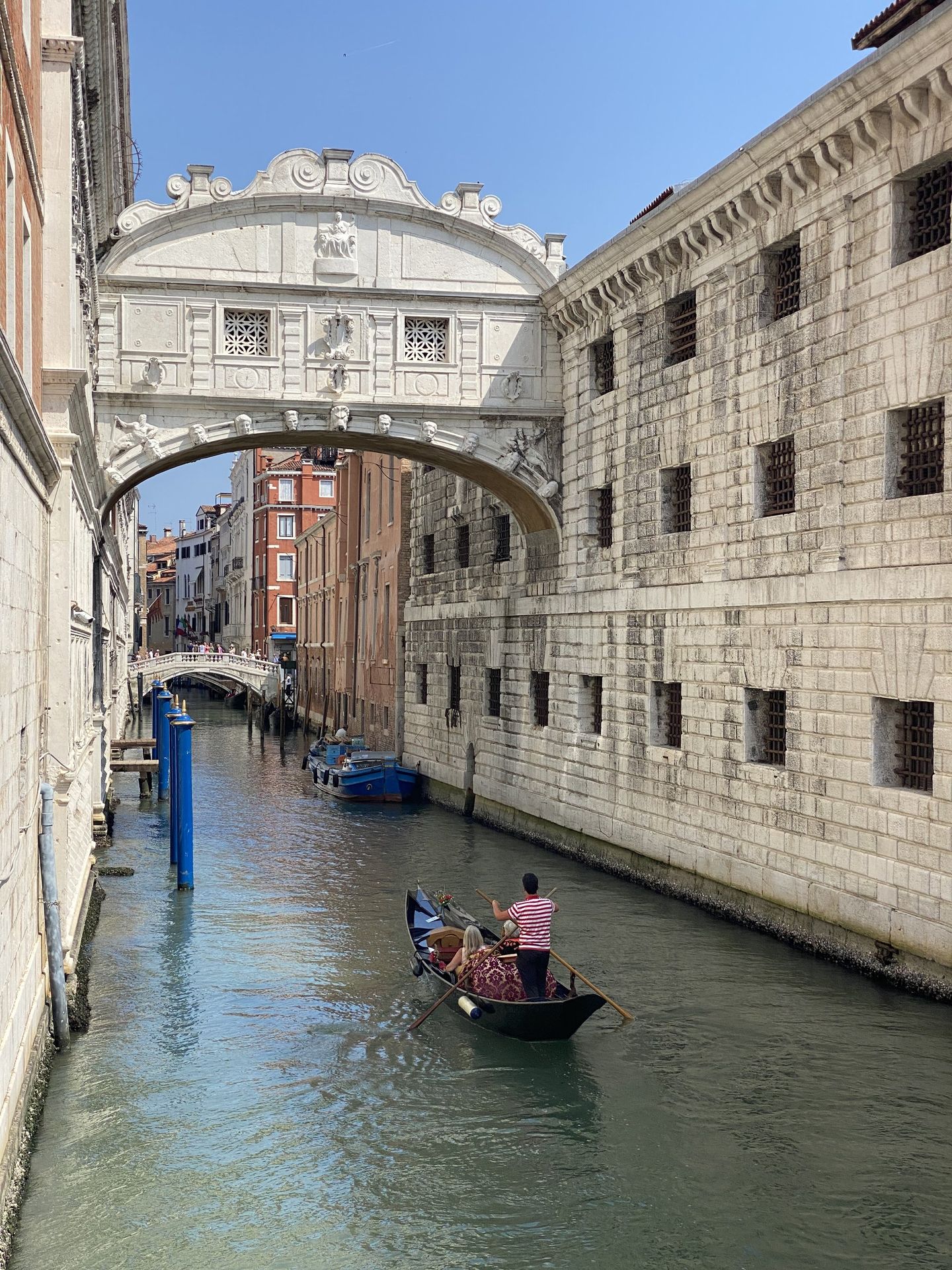
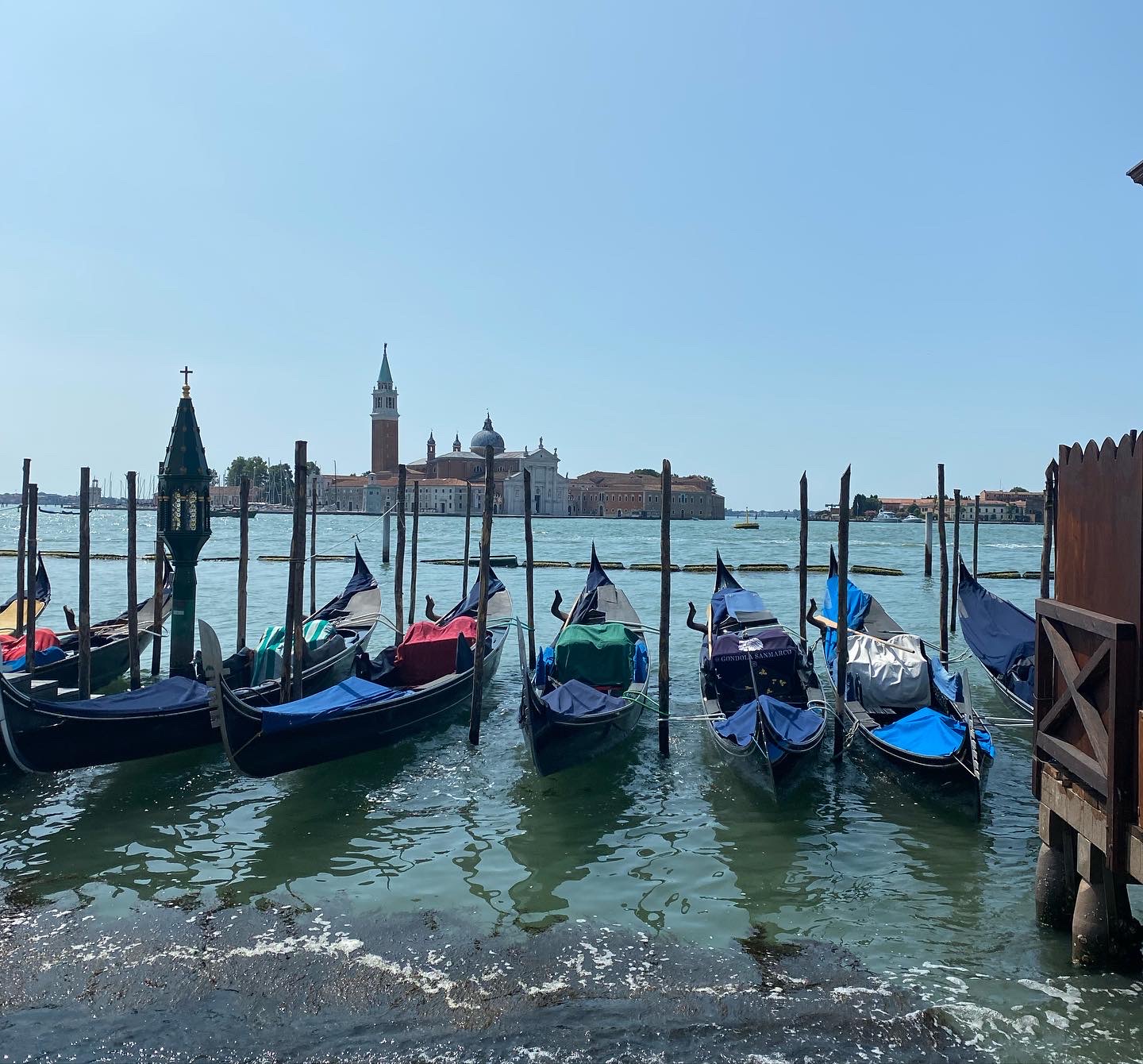
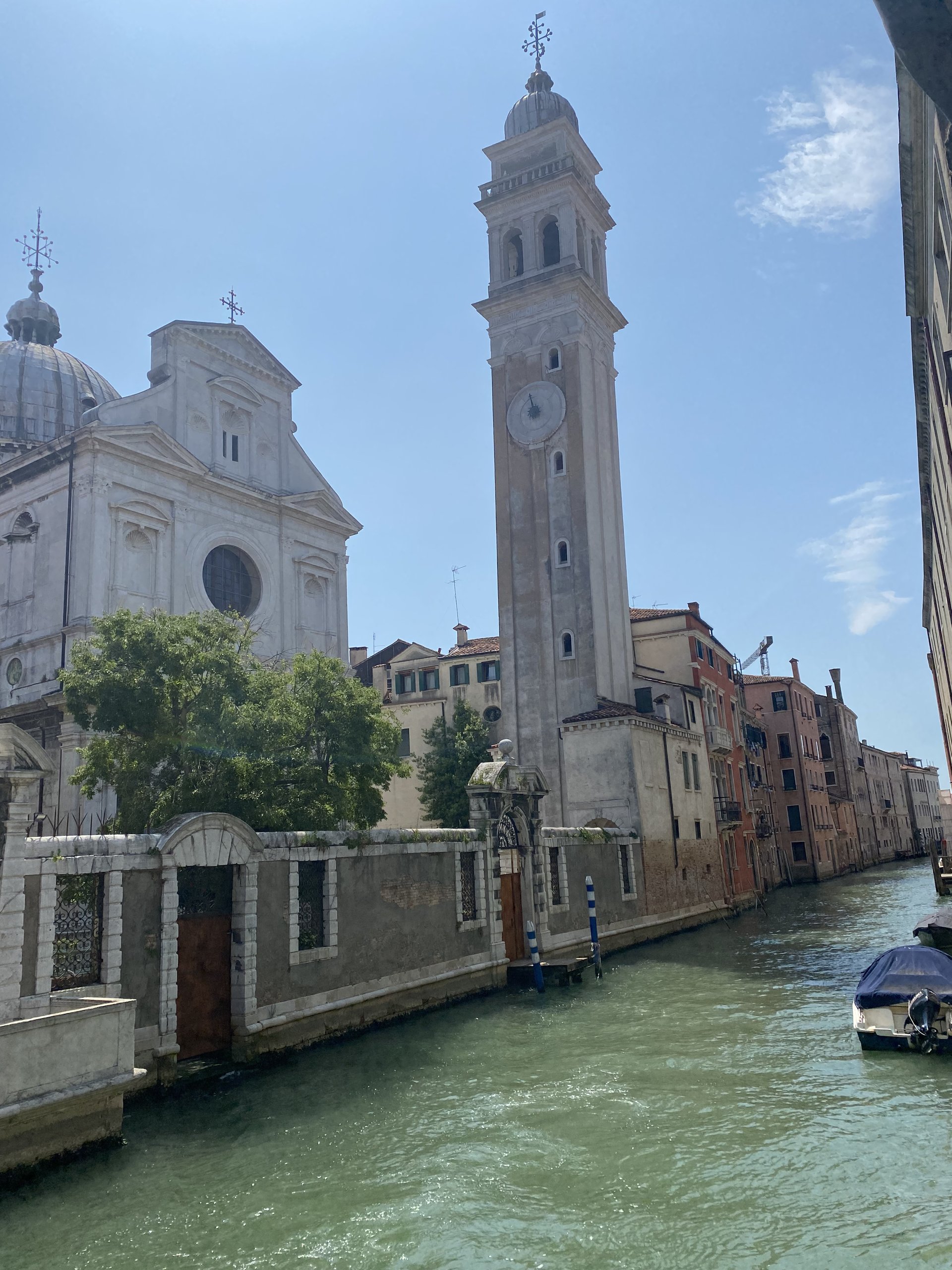
The Venice everyone comes for.
Practical tip
Acqua alta is real but manageable. The high-water alarms ring 2–4 hours before peak floods (Oct–Mar mornings); apps like Hi!Tide Venice push the same forecasts. The MOSE flood barrier now keeps the worst events out, but ground-floor flats can still take ankle-deep water a few times a winter — when you sign a lease, ask which floor and whether the building has flood barriers (paratie) for the entrance. Also: drag-bag wheels do not like the bridges. A backpack changes Venice life.
Cost figures are estimates as of 2026 and vary by sestiere and season. Always cross-check current rents on Idealista and Immobiliare.it.